
Measurement strategy
Define the questions, events, customer actions, and business context that make measurement useful.
Data Clarity
More data is not the objective. Better decisions are. Reporting becomes useful when it explains what happened, why it matters, what was learned, and what should change next.
Recognize the problem
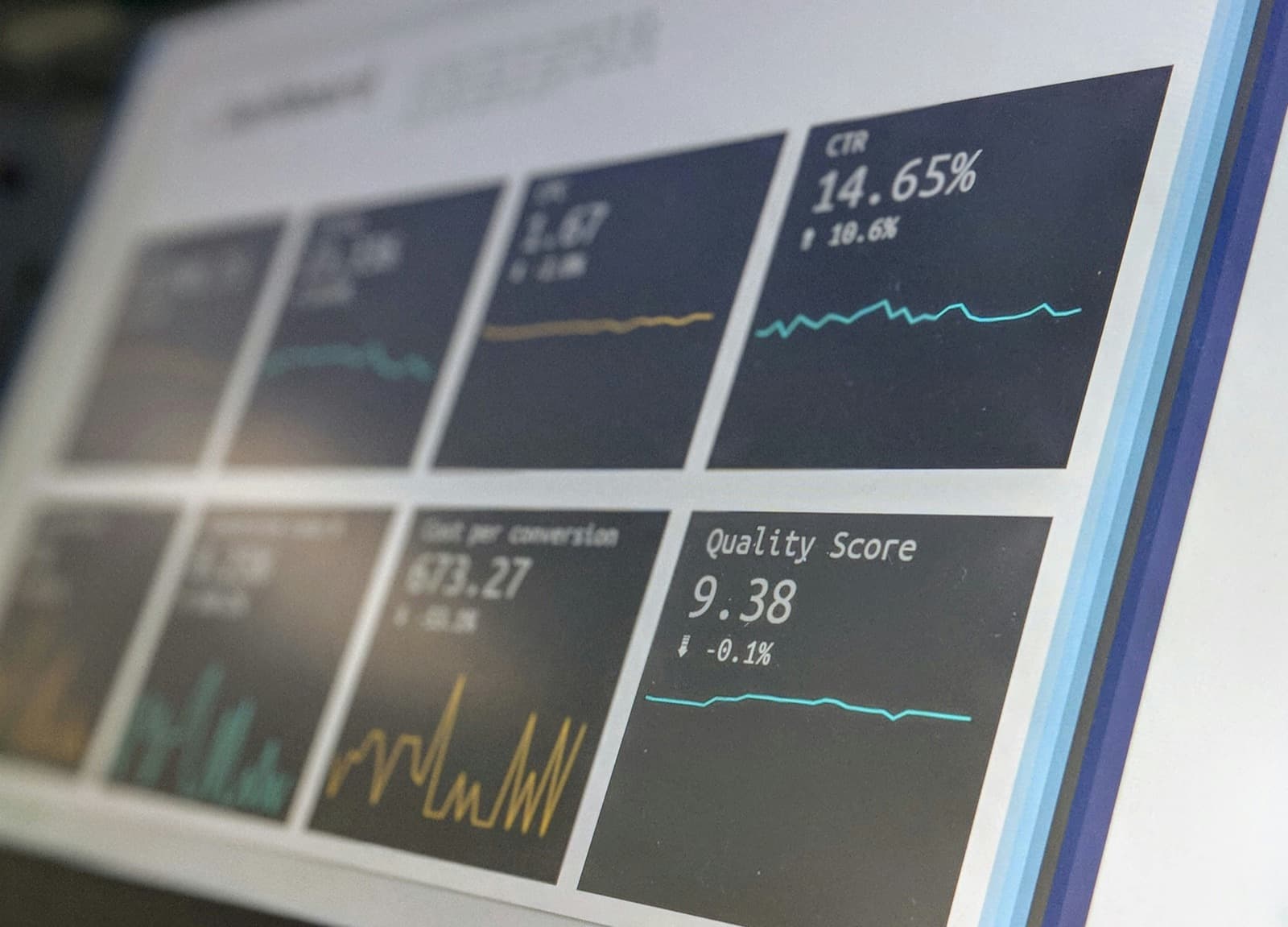
Website analytics, search data, advertising platforms, CRM records, and spreadsheets each show part of the picture. Without context, reporting becomes another task instead of a decision tool.
The better state
Measurement is designed around useful questions, sources are connected where practical, and every reporting cycle leads to a clear recommendation.
Connected capabilities
Useful measurement combines trustworthy signals, business context, interpretation, and a recommendation. A larger dashboard is not the objective.

Define the questions, events, customer actions, and business context that make measurement useful.
Configure and interpret website, search, and campaign signals without treating every available metric as equally important.
Connect source information to enquiries and commercial outcomes where the available systems make that truthful and practical.
Create views that help the business understand what changed and decide what deserves attention next.
Practical situations
The problem is often not missing data. It is the distance between platform activity, customer context, and the decision someone needs to make.
Align platform activity with the customer actions and commercial outcomes the business actually values.
Reduce the view to the signals that answer current questions and attach a clear interpretation to the reporting cycle.
Improve source capture, CRM context, and definitions so useful customer journeys can be understood more reliably.
How Outverse approaches it
Define the question first, understand what each source can truthfully show, then connect only the signals that improve the next decision.
Define what the business needs to know and what action that knowledge could change.
Understand what each source can and cannot say, then resolve the most important gaps.
Connect the right sources and present the information at the level each decision needs.
Turn the reporting cycle into learning, recommendations, and a visible next move.
Related expertise
These are possible parts of the solution, not a required bundle. Use only what genuinely belongs around the business problem.
Connect website, search, advertising, and customer signals to useful business questions and recommendations.
Explore this expertisestrategy managementClarify the problem, priorities, and practical digital direction before committing to a platform or tactic.
Explore this expertisegrowthUse paid search and social advertising with a clear audience, destination, customer action, and measurement plan.
Explore this expertisedigital presenceImprove how important pages are understood, discovered, and connected to what potential customers need.
Explore this expertisegrowthOrganize customer information, ownership, handoffs, and follow-up around the way the business actually works.
Explore this expertiseFrom focused solution to ongoing management
Outverse can resolve a measurement problem or continue connecting reporting to the strategy, delivery, and improvement work it is meant to guide.
Explore Digital ManagementThe next conversation
Bring the report, the uncertainty, or the business question. We will help identify the signals and context that matter.